Key Advantages of Implementing Access Control Security Solutions in Your Facility
When you think about securing your facility, access control security solutions should be the foundation of your strategy. They provide tangible benefits that surpass mere protection against unauthorized access. By installing these systems, you can boost operational efficiency and deliver a swift response to potential threats. But how do these strengths translate into real-world applications? Let's investigate the critical aspects that make access control necessary for your organization.
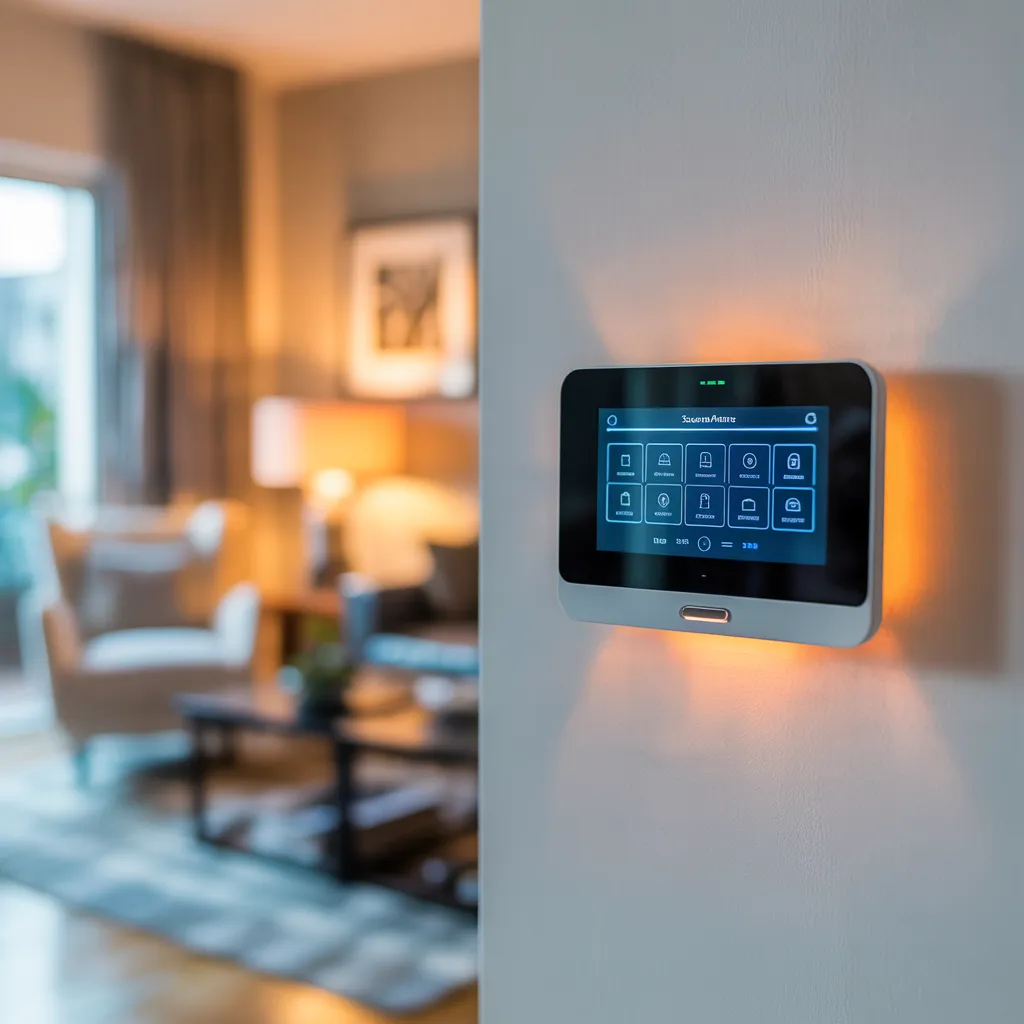
Comprehending Access Control Security: A Vital Necessity
As companies develop and tech innovations progress, grasping access control security is vital for defending sensitive information. You need to identify who can access your data, when, and under what conditions. Deploying robust access control measures confirms that only authorized personnel can examine or modify critical resources. This decreases the risk of data breaches and unauthorized access, which can result in severe consequences. Familiarizing yourself with various access control models, like role-based access control or discretionary access School Security Systems control, enables you to tailor security to your organization's specific needs. Routinely examining and updating these access permissions contributes to maintaining a secure environment. Ultimately, utilizing access control security is a proactive step toward defending your organization's valuable information assets.

Enhanced Defense Against Unauthorized Entry
To protect your property, you require strong measures such as comprehensive identity verification and real-time monitoring. These solutions ensure that only authorized individuals gain access, decreasing the risk of breaches. By adopting these strategies, you can greatly improve security against unauthorized access.
Full Identity Validation
Although numerous companies concentrate on perimeter security, thorough identity verification is crucial for strengthening security against unauthorized access. By establishing extensive identity verification processes, you can confirm that only authorized personnel gain admission to sensitive areas. This requires leveraging multiple forms of identification, such as biometric scans, smart cards, or two-factor authentication, to validate each person's identity.
When you rigorously verify identities, you substantially minimize the risk of unauthorized individuals entering your facility. This peace of mind enables you to concentrate on your core operations without being concerned with potential security breaches. Eventually, comprehensive identity verification not only safeguards your assets but also cultivates a secure environment for your employees and clients, strengthening your commitment to safety and security.
Instant Monitoring Functions
Establishing real-time monitoring capabilities significantly strengthens your security measures against unauthorized access. With these systems active, you can immediately track who enters and exits your facility, permitting you to respond quickly to suspicious activity. You'll receive alerts for any unauthorized attempts, facilitating rapid intervention before a breach occurs. This proactive approach not only prevents potential intruders but also provides you with valuable data for future security assessments. Moreover, you can examine live footage from surveillance cameras, ensuring you have eyes on every corner of your facility. With real-time insights, you can make informed decisions about your security protocols and consistently improve your overall safety strategy. This level of vigilance is critical to protecting your assets and personnel.
Enhanced Incident Response and Monitoring
While companies deal with ever-evolving security threats, maintaining a strong incident response and monitoring system proves vital. Installing access control security solutions helps you respond rapidly to suspected breaches. With live monitoring alerts and comprehensive records, you can identify breaches as they take place and take immediate action to reduce threats. This anticipatory approach not only secures your assets but also builds a culture of safety within your organization. You'll have the capability to monitor access points and track user activities, facilitating thorough investigations when issues develop. Improved visibility into your security landscape empowers you to make informed decisions and constantly improve your security protocols. Eventually, better incident response and monitoring can substantially reduce the impact of security threats on your enterprise.
Access Control for Streamlined Operations and Workflow Efficiency
A powerful access control system not only boosts your incident response capabilities but also optimizes operations and increases workflow efficiency. By managing entry to particular areas, you minimize delays caused by unauthorized access, helping your team to concentrate on their tasks without interruptions. This system decreases the time spent on managing visitors and guarantees that only authorized personnel can access critical areas, increasing productivity. Additionally, automated access logs simplify tracking and reporting, making it more convenient to identify any inefficiencies. With faster access to necessary resources and a clear structure in place, your staff can collaborate more effectively. Ultimately, implementing a solid access control solution facilitates a smoother operation, empowering you to achieve your organizational goals more efficiently.
Configurable Access Privileges for Individual Users
Adjustable access levels for multiple users can significantly enhance security and operational efficiency. By adjusting access permissions to individual roles, you confirm that employees can only access the areas essential for their tasks. This not only secures sensitive information but also minimizes the risk of unauthorized access. You can readily adjust these levels as roles change or new employees join your team. Furthermore, having a clear structure aids in optimize workflow, as everyone knows their specific access rights. It also eases monitoring and auditing, making it more straightforward to track who's entering and exiting diverse areas of your facility. Overall, customizable access levels permit you to maintain a secure environment while enhancing day-to-day operations.
Integrating Access Control Alongside Other Security Systems
Setting up customizable access levels provides a robust foundation for integrating access control with other security systems. By connecting your access control to video surveillance, for instance, you can streamline monitoring and response times. When an unauthorized access attempt occurs, the surveillance system can automatically obtain footage and alert security personnel. Connecting with alarm systems can strengthen your organization's response capabilities, ensuring prompt interventions during security breaches. Moreover, connecting access control with fire and safety systems allows for coordinated evacuations and safety measures. This integrated approach not only strengthens overall security but also eases management, as you can unify controls and monitoring from a single platform. Finally, this integration promotes a more secure and efficient environment for everyone involved.
How to Roll Out Access Control Systems Successfully?
Implementing access control systems successfully requires thorough planning and evaluation of your unique needs. Commence by assessing your facility's layout and identifying essential entry points. Next, choose the right technology, whether it's keycards, biometrics, or mobile access. Verify you establish clear access levels for employees, contractors, and visitors. Training your staff on the new system is essential; verify everyone comprehends how to use it appropriately and knows the protocols for reporting issues. Regularly review and update access permissions to adjust to changes in personnel or security requirements. Finally, consider integrating your access control with existing security solutions for improved protection. By following these steps, you'll create a solid access control system designed for your facility's unique needs.
FAQ
Which Business Types Benefit Most From Access Control Systems?
Corporate offices, retail stores, healthcare facilities, and educational institutions profit most from access control systems. They improve security, regulate employee access, and protect sensitive information, providing a safer environment for both staff and customers.
How Do Access Control Systems Effect Employee Privacy?
Access control systems can enhance employee privacy by regulating access to sensitive areas and information. You're assisting in protecting personal data, ensuring that only authorized personnel can step into certain spaces, which establishes a secure work environment.
Can Access Control Systems Scale with Growing Businesses?
Growing businesses can benefit from scalable access control systems. You can effortlessly incorporate new users, increase access points, and modify security parameters as your business grows, ensuring your security measures keep pace with your growth.
What's the Price Range for Access Control Solution Implementation?
Installing access control solutions generally ranges between $2,000 and $10,000, based on factors including system complexity and facility size. You'll want to assess your unique needs to determine the best investment for your security.
How Frequently Should Access Control Systems Be Audited or Updated?
You should audit or update access control systems a minimum of once per year, but more often if there are major modifications in employees or premises design. Routine inspections help ensure protection systems remain effective and up-to-date.