Why Companies Depend on Access Control Security Solutions to Secure Assets
In today's fast-paced business environment, safeguarding your resources has never been more critical. You certainly know the threats connected to unauthorized access and the possible damage to your organization. Access control security solutions present an opportunity to protect confidential data while guaranteeing conformity to industry regulations. But what features should you concentrate on, and how can technology bolster these solutions? Let's examine the essential components that can strengthen your protection approach.
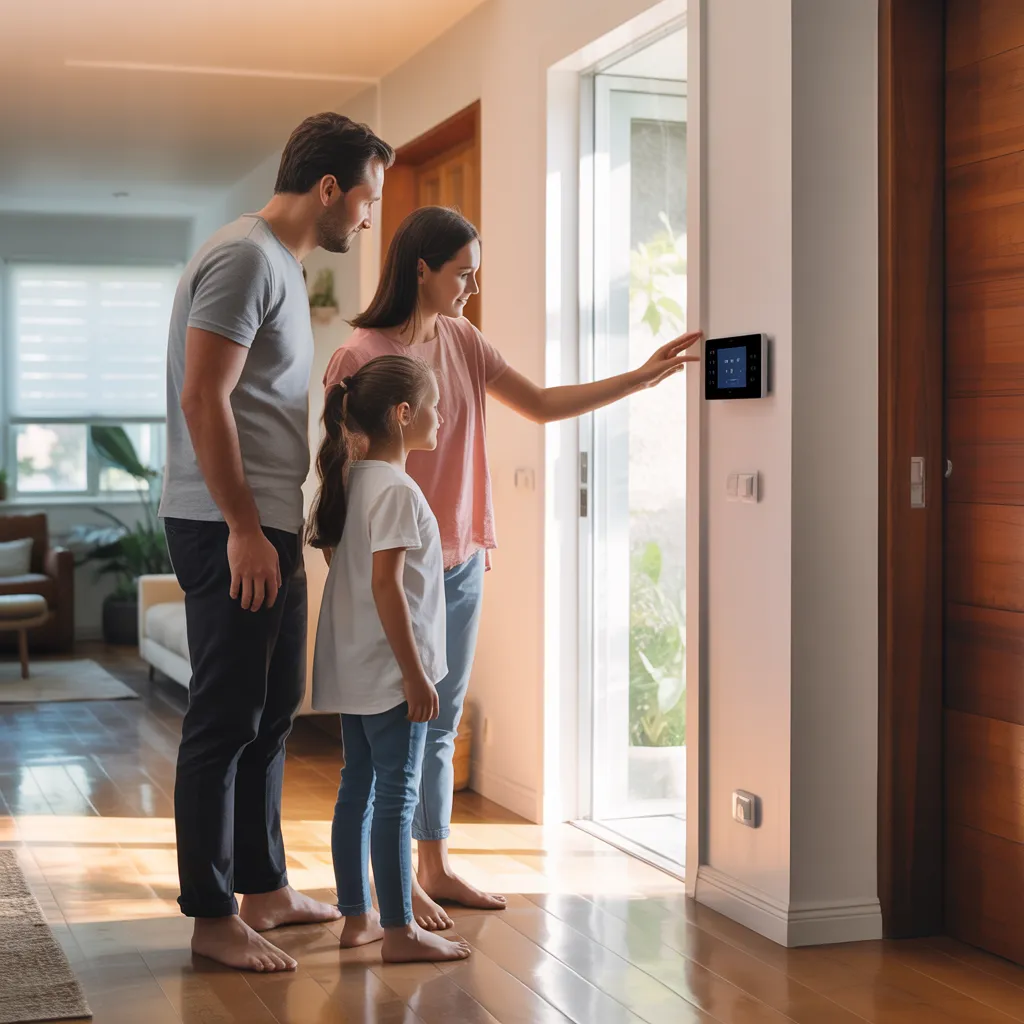
The Significance of Access Control in Contemporary Businesses
In today's rapidly evolving business world, deploying effective access control is essential for protecting sensitive information and resources. You need to guarantee that only authorized personnel can access critical data, decreasing the risk of breaches and unauthorized use. By establishing robust access controls, you not only safeguard your organization's assets but also boost compliance with industry regulations. This establishes trust with clients and stakeholders, as they observe your commitment to security. In addition, effective access control can improve operations by ensuring that employees have the correct access to tools and information, improving productivity. Ultimately, prioritizing access control is a proactive step toward maintaining the integrity and confidentiality of your business operations in an increasingly digital world.

Vital Features Your Access Control System Must Have
Implementing access control is merely the first step; having the right features in your system is what actually makes it effective. First, consider easy-to-use interfaces that facilitate management and operation. It's essential to have real-time monitoring to track access events as they take place, providing immediate alerts for suspicious activities. Integration capabilities are crucial, allowing your system to work effortlessly with existing security measures. Scalability is also a requirement; as your business expands, your access control should grow without hassle. Finally, powerful reporting tools help you analyze trends and strengthen security strategies. By focusing on these features, you guarantee your access control system not only safeguards your assets but also adjusts to your developing needs.
Common Access Control Systems for Businesses
When it comes to securing your business, you'll want to evaluate various access control options. Keycard access systems, biometric authentication techniques, and mobile access solutions all provide unique advantages to safeguard your assets. Let's explore how these solutions can improve your security strategy.
Electronic Keycard Systems
Access control systems using keycards have gained widespread popularity for businesses aiming to strengthen their security. These systems enable you to control who enters your premises easily and efficiently. By distributing keycards to employees, you can manage access to specific areas, guaranteeing that only authorized personnel can enter sensitive locations.
Keycards can be programmed to limit access based on roles, times, or locations, offering you versatile management capabilities. Plus, in the event a card goes missing or is compromised, you're able to swiftly cancel it, lowering the threat of unsanctioned entrance.
With user-friendly interfaces and integration capabilities, keycard systems streamline your security procedures. By choosing this solution, you're taking a substantial step toward securing your assets while maintaining ease of access for your staff.
Biometric Authentication Methods
As you evaluate various access control systems, examine biometric authentication systems, which present a high level of security for businesses. These systems use unique physical characteristics, such as fingerprints, facial recognition, or iris scans, to verify identities. By deploying biometric authentication, you minimize the risk of unauthorized access since it's nearly impossible to replicate these traits. This method not only boosts security but also expedites the access process, allowing employees swift entry without requiring physical cards or codes. Additionally, biometric data is frequently encrypted, adding another layer of protection. Adopting this technology can considerably safeguard your assets, guaranteeing that only authorized personnel can access critical areas of your business. It's a intelligent investment for modern security needs.
Mobile Entry Systems
Due to the growth of mobile technology, businesses are more and more embracing mobile access solutions to enhance their access control systems. These solutions enable you to manage access through smartphones, tablets, or other mobile devices, making it simpler for employees to enter secure areas without traditional keycards or fobs. You can provide or remove access remotely, ensuring that only authorized personnel can enter sensitive areas. Mobile access solutions frequently use encryption and multifactor authentication, adding extra layers of security. Additionally, they streamline operations by integrating with existing systems, reducing the need for on-site personnel. By utilizing mobile access solutions, you not only boost security but also increase convenience, making it less difficult for your team to execute their tasks seamlessly.
How Technology Enhances Access Control Security
Technology is revolutionizing access control security in innovative ways. With smart technology integration, you can streamline processes and strengthen safety. Additionally, real-time monitoring systems keep you updated and ready to handle any security threats immediately.
Advanced Technology Integration
The integration of smart technology revolutionizes access control security by delivering real-time monitoring and advanced authentication methods. With advanced biometric technology and smart locks, you can guarantee only authorized personnel gain entry. These technologies streamline your processes, making it simpler to manage access permissions remotely. You'll benefit from features like mobile access, permitting you to grant entry to visitors with just a tap on your smartphone. Additionally, smart systems can send alerts for suspicious activities, enhancing your overall security posture. By employing data analytics, you can recognize patterns in access behavior, helping you in making informed decisions about your security strategy. Embracing smart technology not only safeguards your assets but also improves operational efficiency across your organization.
Real-Time Monitoring Systems
As organizations face increasingly sophisticated security threats, real-time monitoring systems prove critical for enhancing access control security. Via these platforms, you gain immediate visibility into your premises, permitting you to track who's entering and exiting in real time. By deploying advanced technologies like AI and machine learning, you can assess activities and detect unusual behaviors instantly. This proactive approach enables you to react quickly to possible security incidents or unauthorized access. Moreover, real-time alerts keep your security team informed, permitting swift action when necessary. By harnessing these systems, you not only defend your assets but also cultivate a safer environment for your team members and patrons. Investing in real-time monitoring is a intelligent solution for maintaining robust access control security.
Selecting the Best Access Control Solution for Your Business
While reviewing access control solutions for your business, how do you ensure you're making the right choice? Start by analyzing your specific needs. Consider the size of your facility, the number of staff members, and the types of assets you need to protect. Research various systems, focusing on features like scalability, integration with existing security measures, and user-friendliness. Don't forget to verify technical support and updates from the provider. It's also wise to read reviews and seek recommendations from other businesses in your industry. Finally, compare costs, keeping in mind that the lowest-cost option might not offer the best security. By taking these steps, you'll make sure you choose a solution that effectively safeguards your assets.
Access Control Security's Future in Business Operations
The access control security landscape is transforming dramatically with technology's rapid advancement. You're likely to see an increased integration of artificial intelligence and machine learning, making systems more adaptive and responsive to security threats. Standard implementation of biometric authentication, including facial recognition and fingerprint scanning, will likely enhance security and streamline access. You'll be able to manage permissions remotely through cloud-based solutions, providing flexibility and real-time updates. Additionally, the Internet of Things (IoT) will link devices, enabling smarter security systems to communicate seamlessly. Staying ahead of evolving cyber threats necessitates adopting innovative technologies that protect assets while increasing operational efficiency. Embracing these advancements will guarantee your business remains secure in an increasingly digital world.
Deploying Robust Access Control Solutions
How can you guarantee your organization implements effective access control solutions? Start by evaluating your current security needs and identifying potential vulnerabilities. Engage stakeholders to understand their concerns and gather input on necessary access levels. Next, pick a robust access control system that aligns with your organization's objectives. Be certain to focus on user-friendly interfaces, as ease of use promotes compliance.
Train employees on the importance of access control and the correct usage of the system. Regularly review and update access permissions to reflect changes in roles or project requirements. Lastly, monitor access logs and analyze them to detect any suspicious activity. By following these steps, you can establish a secure environment that protects your organization's assets effectively.
FAQ
What Costs Are Involved in Implementing Access Control Systems?
Implementing access control systems involves costs for hardware, software, installation, continuous maintenance, and employee training. You must also budget for potential upgrades and system integration, which can contribute to your complete investment.
How Often Should Access Control Systems Be Updated?
You should update access control systems at least annually or whenever you encounter significant changes in personnel, technology, or Home Security Companies Near Me security threats. Routine updates confirm your system remains effective and shields your resources from potential security gaps.
What Occurs When There's a Power Outage?
During a power outage, your access control system could malfunction, blocking entry and exit. Backup power sources or battery systems can work to preserve functionality, allowing you to control access and protect your site effectively.
Do Access Control Systems Capable of Integrating With Your Existing Security Measures?
Indeed, access control systems can readily integrate with your existing security measures. They improve your overall security framework, helping you to streamline operations and elevate protection by working seamlessly with alarms, cameras, and other security devices.
What Training Is Required for Staff Using Access Control Systems?
You'll need training on the particular access control system, including authentication procedures for users, emergency procedures, and how to administer access rights. Ongoing refresher courses make certain you keep up-to-date on any system modifications and security standards.